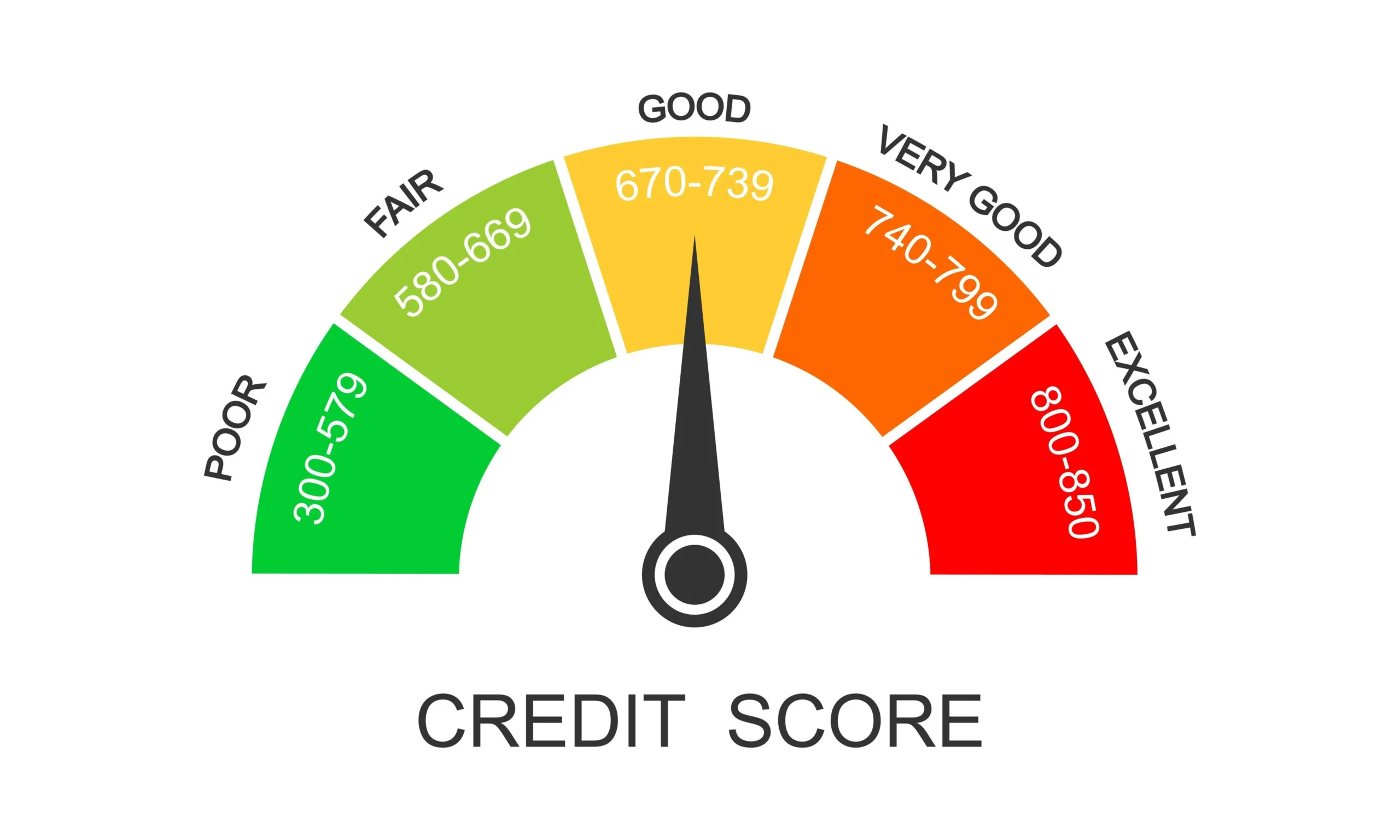
A good credit score is essential for accessing loans, credit cards, and other financial products at favorable terms. Lenders rely on credit scores to assess your creditworthiness, risk level, and repayment reliability.
Understanding how credit scores impact approvals, interest rates, and credit limits can help you make informed financial decisions and improve your borrowing opportunities.
What is a Credit Score?
A credit score is a numerical representation of your creditworthiness, usually ranging from 300 to 850, calculated based on your credit history and financial behavior.
Key factors influencing your credit score include:
| Factor | Weight in Credit Score |
|---|---|
| Payment History | 35% |
| Credit Utilization | 30% |
| Length of Credit History | 15% |
| Types of Credit | 10% |
| Recent Credit Inquiries | 10% |
Tip: Maintaining a strong credit history improves approval chances for loans and cards with better rates and benefits.
Credit Score Tiers
| Credit Score | Tier | Typical Impact |
|---|---|---|
| 800–850 | Excellent | Best loan approvals, lowest interest rates |
| 740–799 | Very Good | High approval chances, favorable rates |
| 670–739 | Good | Moderate approval chances, standard rates |
| 580–669 | Fair | Higher interest rates, limited approvals |
| <580 | Poor | Difficult approvals, higher costs, security deposits required |
How Credit Scores Affect Loans
1. Personal Loans
- Higher credit scores result in lower interest rates and higher approval limits
- Lower scores may require co-signers or collateral
Example Table: Personal Loan Rates by Credit Score
| Credit Score | Interest Rate (APR) | Loan Approval Likelihood |
|---|---|---|
| 800–850 | 6–10% | Very High |
| 740–799 | 8–12% | High |
| 670–739 | 12–18% | Moderate |
| 580–669 | 18–25% | Low |
| <580 | 25%+ | Very Low |
2. Home Loans / Mortgages
- Mortgage rates are highly sensitive to credit scores
- Even a 10-point difference can affect interest rate and monthly payment significantly
Mortgage Example: $200,000 Loan over 30 Years
| Credit Score | Interest Rate | Monthly Payment | Total Interest Paid |
|---|---|---|---|
| 800–850 | 5% | $1,073 | $186,512 |
| 740–799 | 5.5% | $1,135 | $208,609 |
| 670–739 | 6% | $1,199 | $231,676 |
| 580–669 | 7% | $1,330 | $279,064 |
Insight: Improving your credit score by even 50–100 points can save thousands over the life of a mortgage.
3. Auto Loans
- Auto lenders often have tiered interest rates based on credit score
- Low scores may require larger down payments
Auto Loan Rate Table
| Credit Score | Interest Rate | Notes |
|---|---|---|
| 750+ | 3–5% | Lowest rates |
| 700–749 | 4–7% | Standard rates |
| 650–699 | 7–10% | Limited lender options |
| 600–649 | 10–15% | High interest, smaller loan amounts |
| <600 | 15%+ | Co-signer or collateral often required |
How Credit Scores Affect Credit Cards
1. Secured vs Unsecured Cards
- Secured cards: Require deposit, ideal for poor or no credit
- Unsecured cards: Depend entirely on credit score and income
Credit Card Approval Table
| Credit Score | Type of Card | Credit Limit | APR |
|---|---|---|---|
| 750+ | Premium / Rewards | High | 12–18% |
| 700–749 | Standard / Cashback | Medium-High | 15–20% |
| 650–699 | Entry-level / Low Rewards | Medium | 18–25% |
| 600–649 | Secured / Starter | Low | 20–30% |
| <600 | Secured Only | Very Low | 25–35% |
2. Benefits of a High Credit Score on Cards
- Lower APR for purchases and cash advances
- Higher credit limits
- Access to premium rewards programs
- Better approval odds for balance transfer offers
How to Improve Your Credit Score
| Strategy | Description |
|---|---|
| Pay bills on time | 35% of credit score depends on payment history |
| Reduce credit utilization | Keep below 30% of available credit |
| Avoid too many new accounts | Each inquiry may slightly lower score |
| Maintain long credit history | Longer accounts improve scores |
| Diversify credit types | Mix of loans, credit cards, and mortgages |
| Regularly check credit reports | Correct errors and prevent fraud |
Common Mistakes That Hurt Credit Scores
- Missing payments or paying late
- Maxing out credit cards
- Closing old accounts unnecessarily
- Frequently applying for new credit
- Ignoring errors on credit reports
Tips Before Applying for Loans or Credit Cards
- Check your credit score first
- Pre-qualify when possible to avoid hard inquiries
- Compare multiple lenders and card offers
- Consider secured cards if rebuilding credit
- Pay off existing high-interest debt
Credit Score Requirements by Lender Type
| Lender Type | Minimum Credit Score | Notes |
|---|---|---|
| Banks | 650–700 | Traditional loans and credit cards |
| Credit Unions | 600–650 | Often more flexible, lower rates |
| Online Lenders | 580+ | Fast approval, higher rates |
| Subprime Lenders | <600 | High rates, fees, and stricter terms |
International Considerations
For expatriates or global borrowers:
- Some countries use similar credit scoring models, others rely on local banking history
- International credit cards often require high scores or local banking history
- Cross-border loans may require co-signers or higher down payments
Final Thoughts
A strong credit score is your gateway to favorable loans, higher credit limits, and lower interest rates. By understanding credit requirements, maintaining a disciplined financial history, and strategically managing debt, individuals can:
- Improve loan approvals
- Reduce borrowing costs
- Maximize credit card rewards
- Protect long-term financial health
Even small improvements in credit score can save thousands in interest and fees, making it a critical focus area for all borrowers.
Frequently Asked Questions (FAQs)
What is a good credit score for loans?
A score above 700 is generally considered good and qualifies for standard rates.
Can I get a credit card with a low score?
Yes, secured cards or entry-level credit cards are available for scores below 650.
How long does it take to improve a credit score?
With consistent payments and low utilization, noticeable improvements can occur in 3–6 months, while significant gains may take 1–2 years.
Do all loans require a credit score check?
Most traditional loans and credit cards require it. Some small lenders or peer-to-peer loans may not.
How does my credit score affect interest rates?
Higher scores result in lower interest rates, reducing total repayment costs over the loan term.