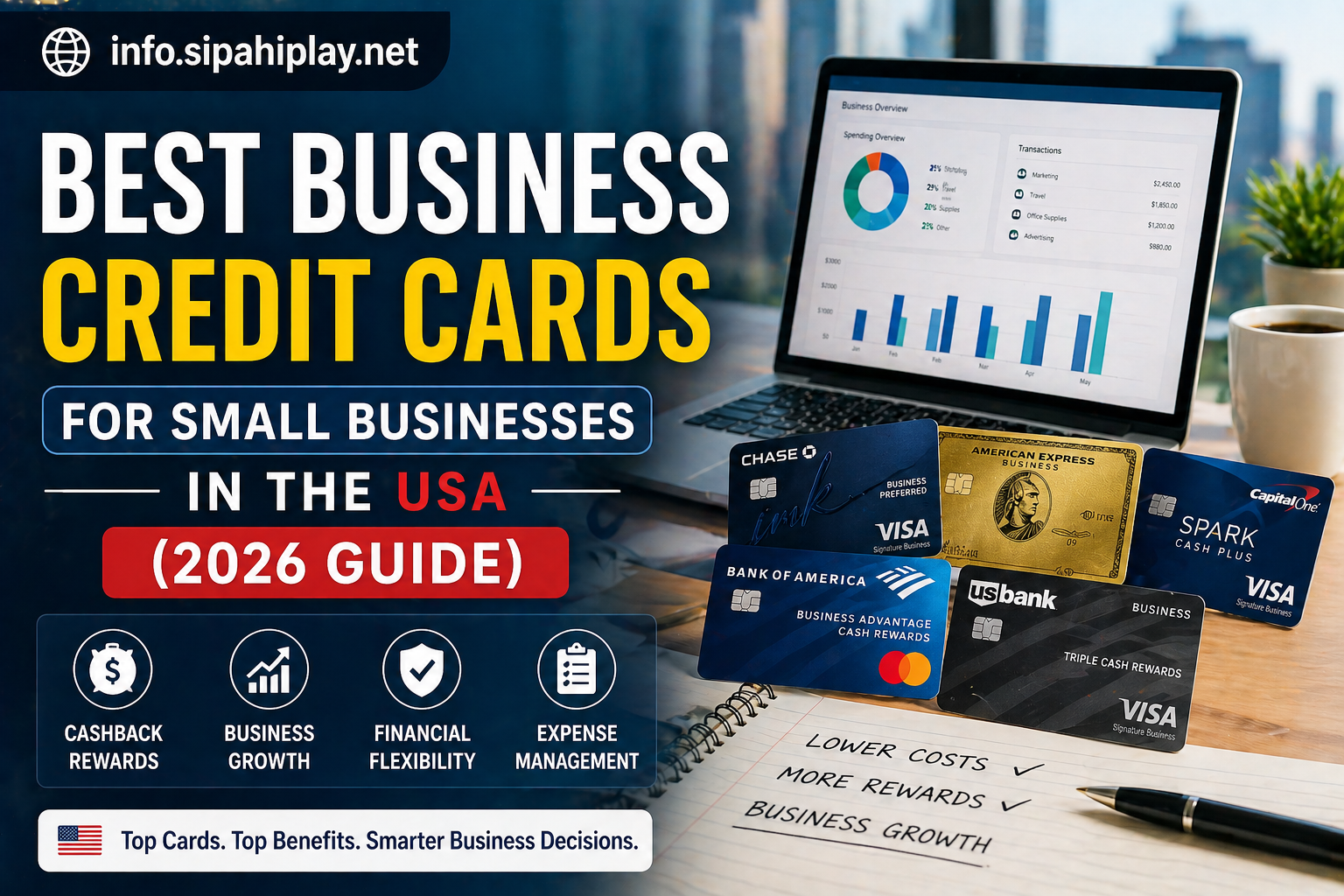
Best Business Credit Cards for Small Businesses in the USA (2026 Guide)
Introduction
Managing business finances efficiently is one of the most important responsibilities for small business owners. Whether you operate a startup, online business, freelance service, or local company, having the right business credit card can help simplify expenses, improve cash flow, and provide valuable rewards. In 2026, business credit cards in the USA are more competitive than ever, offering benefits such as cashback, travel rewards, expense tracking tools, and introductory financing options designed specifically for small businesses.
However, with so many credit card options available, choosing the right one can be confusing. Small business owners often wonder: Which business credit cards offer the best rewards? Which cards have low fees? How can business credit cards improve financial management? These are important questions because the wrong financial product can increase costs and create unnecessary financial pressure.
This complete guide explores the best business credit cards for small businesses in the USA, compares key features, explains important benefits, and provides expert tips to help business owners choose the right credit card for their financial goals in 2026.
Table of Contents
- Overview of Business Credit Cards
- Key Highlights
- Why Small Businesses Use Business Credit Cards
- Best Business Credit Cards in the USA for 2026
- Types of Business Credit Cards
- Important Features to Compare
- Step-by-Step Guide to Choosing the Right Card
- Benefits of Business Credit Cards
- Expert Tips for Business Owners
- Common Mistakes to Avoid
- FAQs
- Conclusion
Overview of Business Credit Cards
Business credit cards are financial tools designed specifically for companies and self-employed professionals. Unlike personal credit cards, business cards often include features tailored for commercial use, such as higher spending limits, employee card access, accounting integrations, and rewards focused on travel, office supplies, and advertising expenses.
In 2026, many banks and financial institutions offer digital expense management tools alongside business credit cards. This allows small business owners to monitor spending, categorize expenses, and simplify tax reporting.
Business credit cards can also help build a company’s credit history, which may improve access to future financing opportunities such as business loans or lines of credit.
Key Highlights
- Business credit cards help manage company expenses efficiently
- Many cards offer cashback, travel rewards, and expense tracking tools
- Responsible use can improve business credit scores
- Some cards provide introductory APR offers for new businesses
- Choosing the right card depends on spending habits and financial goals
Why Small Businesses Use Business Credit Cards
Improved Cash Flow Management
Business credit cards allow owners to make purchases immediately while paying balances later, helping maintain operational flexibility.
Expense Tracking
Most business credit cards provide detailed statements and expense categorization tools that simplify accounting and tax preparation.
Rewards and Cashback
Businesses can earn cashback, travel points, or discounts on common expenses such as fuel, advertising, and office supplies.
Employee Spending Controls
Many cards allow business owners to issue employee cards with customizable spending limits.
These features make business credit cards valuable financial tools for both startups and established companies.
Best Business Credit Cards in the USA for 2026
1. Chase Ink Business Preferred® Credit Card
The Chase Ink Business Preferred card remains one of the top options for small businesses.
Key Features:
- Generous travel and advertising rewards
- Purchase protection benefits
- Flexible redemption options
Best For:
Businesses with significant travel or digital advertising expenses.
2. American Express® Business Gold Card
American Express offers strong rewards for businesses with diverse spending categories.
Advantages:
- Flexible rewards structure
- Expense management tools
- Travel-related benefits
Best For:
Growing businesses with varying monthly expenses.
3. Capital One Spark Cash Plus
This card is popular among business owners seeking simple cashback rewards.
Key Benefits:
- Unlimited cashback on purchases
- No preset spending limit
- Expense tracking features
Best For:
Businesses with high monthly spending.
4. Blue Business® Plus Credit Card from American Express
This card is known for its simplicity and low-cost structure.
Key Features:
- No annual fee
- Rewards on everyday business purchases
- Introductory financing offers
Best For:
Small businesses seeking cost-effective rewards.
5. Bank of America® Business Advantage Customized Cash Rewards
This card allows businesses to customize cashback categories.
Popular Reward Categories:
- Gas stations
- Office supply stores
- Travel expenses
Best For:
Businesses with specific spending patterns.
6. U.S. Bank Triple Cash Rewards Visa® Business Card
A solid option for businesses looking for cashback and financing flexibility.
Highlights:
- Cashback rewards
- Introductory APR period
- Expense management tools
7. Wells Fargo Signify Business Cash® Card
Wells Fargo offers straightforward cashback rewards for business purchases.
Advantages:
- Simple reward structure
- No rotating categories
- Strong digital banking tools
Types of Business Credit Cards
Cashback Business Cards
These cards reward businesses with cashback percentages on eligible purchases.
Travel Rewards Cards
Travel-focused cards provide airline miles, hotel points, and travel-related perks.
Low APR Business Cards
These cards are designed for businesses that may carry balances occasionally.
Secured Business Credit Cards
Secured cards help businesses build credit history through refundable deposits.
Choosing the right type depends on how your business spends money.
Important Features to Compare
Annual Fees
Some premium cards charge annual fees but offer higher rewards and benefits.
Interest Rates
APR rates vary significantly between lenders and products.
Reward Programs
Evaluate whether rewards match your business spending habits.
Introductory Offers
Some cards provide bonus rewards or introductory financing periods.
Expense Management Tools
Digital integrations and reporting features can simplify accounting processes.
Step-by-Step Guide to Choosing the Right Business Credit Card
Step 1: Identify Business Spending Habits
Review where your company spends the most money each month.
Step 2: Decide on Reward Preferences
Choose between cashback, travel rewards, or low-interest financing.
Step 3: Compare Multiple Cards
Research fees, interest rates, and customer reviews carefully.
Step 4: Review Credit Requirements
Check whether your business and personal credit profiles meet approval standards.
Step 5: Apply Responsibly
Submit accurate financial information and avoid applying for too many cards at once.
Benefits of Business Credit Cards
Better Financial Organization
Business expenses remain separate from personal spending.
Building Business Credit
Responsible usage improves long-term financing opportunities.
Access to Rewards and Benefits
Businesses can reduce costs through cashback and travel programs.
Improved Purchasing Flexibility
Credit cards provide convenient payment options for operational expenses.
Expert Tips for Business Owners
Pay Balances on Time
Timely payments help maintain strong credit scores and avoid interest charges.
Use Rewards Strategically
Choose cards that align with your most common expenses.
Monitor Employee Spending
Set spending limits and review transaction reports regularly.
Avoid Excessive Debt
Use credit responsibly and avoid carrying unnecessary balances.
These practices can help businesses maximize financial benefits while reducing risks.
Common Mistakes to Avoid
Ignoring Annual Fees
Premium rewards may not justify high yearly costs for smaller businesses.
Applying Without Research
Comparing options carefully can prevent poor financial decisions.
Mixing Personal and Business Expenses
Keeping finances separate simplifies accounting and tax preparation.
Carrying Large Balances
High interest charges can negatively affect cash flow and profitability.
Avoiding these mistakes can help businesses maintain healthier financial operations.
FAQs
1. What is the best business credit card in 2026?
The best card depends on your business needs, but Chase Ink Business Preferred and American Express Business Gold remain top choices.
2. Can startups qualify for business credit cards?
Yes, many cards are available for startups and freelancers.
3. Do business credit cards affect personal credit scores?
In some cases, lenders may review personal credit during the application process.
4. Are annual fees worth paying?
Premium cards may provide benefits that outweigh fees for businesses with high spending.
5. How can business credit cards improve financial management?
They simplify expense tracking, improve cash flow, and provide useful financial reporting tools.
Internal Linking Suggestions
- Link to: “Best Mortgage Refinance Companies for Homeowners”
- Link to: “How to Improve Your Credit Score Before Applying for a Loan”
- Link to: “Best Remote Jobs in the USA That Pay Over $100K”
- Link to: “Top Companies Offering Remote Jobs with High Salary and Benefits”
Google Discover Optimization
Feature Image Suggestion:
- Size: 1200×628
- Business owner using laptop with credit cards and financial charts
- Professional, clean, high-resolution design
In-Article Image Suggestions:
- Business credit card comparison graphic
- Small business owner managing finances
- Expense tracking dashboard
- Cashback rewards concept
- Financial planning workspace
Conclusion
Business credit cards can be powerful financial tools for small businesses in 2026 when used responsibly. They provide flexibility, rewards, expense management features, and opportunities to build strong business credit profiles. Companies such as Chase, American Express, Capital One, and Bank of America continue to offer competitive options tailored for different business needs.
Before choosing a card, business owners should carefully evaluate spending habits, compare fees and rewards, and understand how credit products fit into long-term financial goals. Responsible credit management can help improve operational efficiency while supporting future business growth.