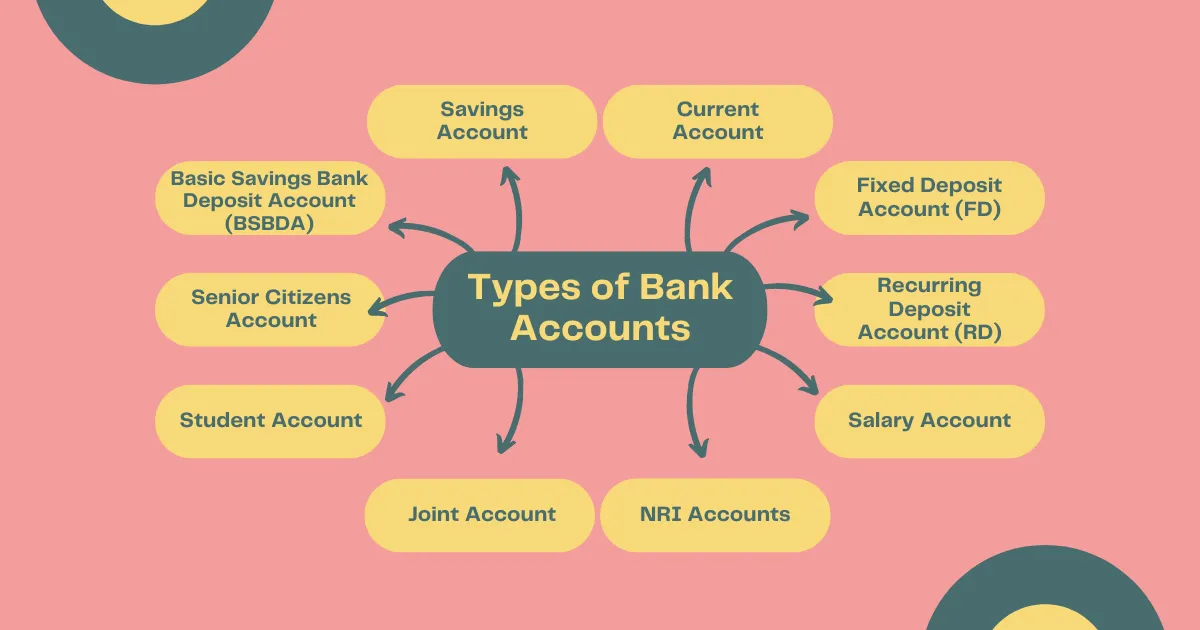
Opening the right bank account is a critical financial decision for individuals and businesses. With a variety of options, fees, and benefits, understanding account types, charges, and features ensures you maximize your banking experience while minimizing unnecessary costs.
Advertisement
This guide provides a comprehensive overview of bank account types, fee structures, and tips to choose the best account based on your financial needs.
Advertisement
Why Choosing the Right Bank Account Matters
| Benefit | Explanation |
|---|---|
| Cost efficiency | Avoid high monthly fees and transaction charges |
| Convenience | Access to online banking, ATMs, and branches |
| Financial management | Helps track spending and savings effectively |
| Interest earnings | Maximize returns on deposits |
| Safety | Accounts insured against bank failures (up to regulatory limits) |
Types of Bank Accounts
Bank accounts vary based on purpose, access, and benefits. The most common types include:
Advertisement
1. Savings Accounts
Savings accounts are designed for daily savings and withdrawals while earning interest on deposits.
Key Features:
- Minimum balance requirement (varies by bank)
- Interest on balance (usually 0.5–4%)
- ATM/debit card access
- Online and mobile banking
Pros and Cons:
| Pros | Cons |
|---|---|
| Safe and insured | Lower interest rates compared to investments |
| Easy access to funds | Monthly withdrawal limits at some banks |
| Encourages saving habits | Minimum balance fees if not maintained |
2. Checking / Current Accounts
Current accounts are primarily for frequent transactions, often used by businesses and individuals with high transaction volumes.
Key Features:
- No/low interest on balances
- Unlimited withdrawals and deposits
- Overdraft facility in some accounts
- Cheque book facility
Pros and Cons:
| Pros | Cons |
|---|---|
| Unlimited transactions | Usually no interest earned |
| Overdraft facility | Monthly fees may apply |
| Ideal for businesses | Not suitable for long-term savings |
3. Fixed Deposit (Term Deposit) Accounts
Fixed deposit accounts let you lock a sum for a fixed period at a higher interest rate.
Key Features:
- Term ranges from 1 month to 10 years
- Higher interest than savings accounts
- Premature withdrawal may incur penalties
Pros and Cons:
| Pros | Cons |
|---|---|
| Higher interest | Limited liquidity |
| Safe investment | Penalty for early withdrawal |
| Predictable returns | Inflation may reduce real returns |
4. Recurring Deposit Accounts
Recurring deposits are monthly savings plans that help accumulate wealth over time.
Key Features:
- Fixed monthly deposit amount
- Set tenure (6 months – 10 years)
- Guaranteed returns
Pros and Cons:
| Pros | Cons |
|---|---|
| Disciplined savings | Funds locked until maturity |
| Predictable returns | Penalties for missed installments |
| Ideal for goal-oriented savings | Interest rates may be lower than fixed deposits |
5. Specialized Accounts
- Student Accounts: Low/no minimum balance, easy access for students
- Senior Citizen Accounts: Higher interest rates, special benefits
- High-Yield Savings Accounts: Higher interest rates, usually online-only banks
- Business Accounts: Designed for business transactions, payroll, and merchant services
Bank Account Fees and Charges Comparison
Bank fees can vary widely depending on the account type and bank policies. It’s essential to understand all potential costs.
| Fee Type | Savings Account | Checking/Current Account | Fixed Deposit | Recurring Deposit |
|---|---|---|---|---|
| Monthly Maintenance | $0–$15 | $5–$25 | None | None |
| ATM Withdrawal | Free (limited) | Free (unlimited in some) | N/A | N/A |
| Cheque Book | $0–$5 | $0–$10 | N/A | N/A |
| Minimum Balance Penalty | $5–$25 | $10–$50 | N/A | N/A |
| Overdraft | Usually not allowed | $10–$50 + interest | N/A | N/A |
| Early Withdrawal | N/A | N/A | 1–3% of principal | 1–2% of principal |
| Wire Transfer / Online Fees | $0–$10 | $0–$15 | $0–$15 | $0–$10 |
Tip: Always check for hidden fees like paper statement charges, international transaction fees, and dormant account fees.
How to Compare Bank Accounts
1. Determine Your Needs
- Savings vs transaction-heavy account
- Short-term vs long-term saving goals
- International or domestic banking needs
2. Compare Interest Rates
- Savings accounts earn interest on balances
- Fixed and recurring deposits offer higher guaranteed returns
- High-yield online accounts may offer 2–4x interest of traditional accounts
3. Evaluate Fees
- Monthly maintenance fees
- Minimum balance penalties
- Transaction fees, ATM fees, wire fees
4. Assess Convenience
- Branch availability and customer service
- Mobile app and online banking features
- ATM network and international access
5. Review Additional Benefits
- Cashback or reward programs
- Overdraft or loan facilities
- Linked accounts for investments
International Considerations
For travelers, expatriates, or global investors:
| Feature | Consideration |
|---|---|
| Multi-currency Accounts | Hold multiple currencies for international transactions |
| Wire Transfers | Low fees for cross-border transfers |
| Online Banking | Access from anywhere globally |
| Debit/Prepaid Cards | Global acceptance, lower foreign transaction fees |
| ATM Fee Rebates | Avoid excessive international withdrawal charges |
Tips to Minimize Bank Fees
- Maintain minimum balance to avoid penalties
- Use in-network ATMs for withdrawals
- Opt for paperless statements
- Choose accounts with fee-free online transfers
- Monitor monthly statements for unexpected charges
Common Mistakes to Avoid
- Choosing a bank solely for brand reputation
- Ignoring monthly maintenance fees
- Overlooking ATM and online banking charges
- Not considering interest rate differences
- Forgetting to compare business vs personal account requirements
Final Thoughts
Selecting the right bank account is critical for financial efficiency. By understanding account types, fees, interest rates, and benefits, individuals and businesses can optimize their banking experience.
Whether you are looking for a savings account, high-yield option, current account for transactions, or a fixed deposit for long-term savings, this guide helps make an informed decision and maximize financial benefits.
Frequently Asked Questions (FAQs)
What’s the difference between a savings and a current account?
Savings accounts are for personal savings and earn interest; current accounts are for frequent transactions and businesses, usually with no/low interest.
How can I avoid bank fees?
Maintain minimum balance, use in-network ATMs, and opt for online statements.
Are fixed deposits safe?
Yes, they offer guaranteed returns and are insured up to regulatory limits, but early withdrawal incurs penalties.
Can I open an international bank account?
Yes, some banks offer multi-currency or offshore accounts, especially for expatriates and frequent travelers.
How do I choose the best bank account?
Consider purpose, interest rates, fees, convenience, and additional benefits before deciding.