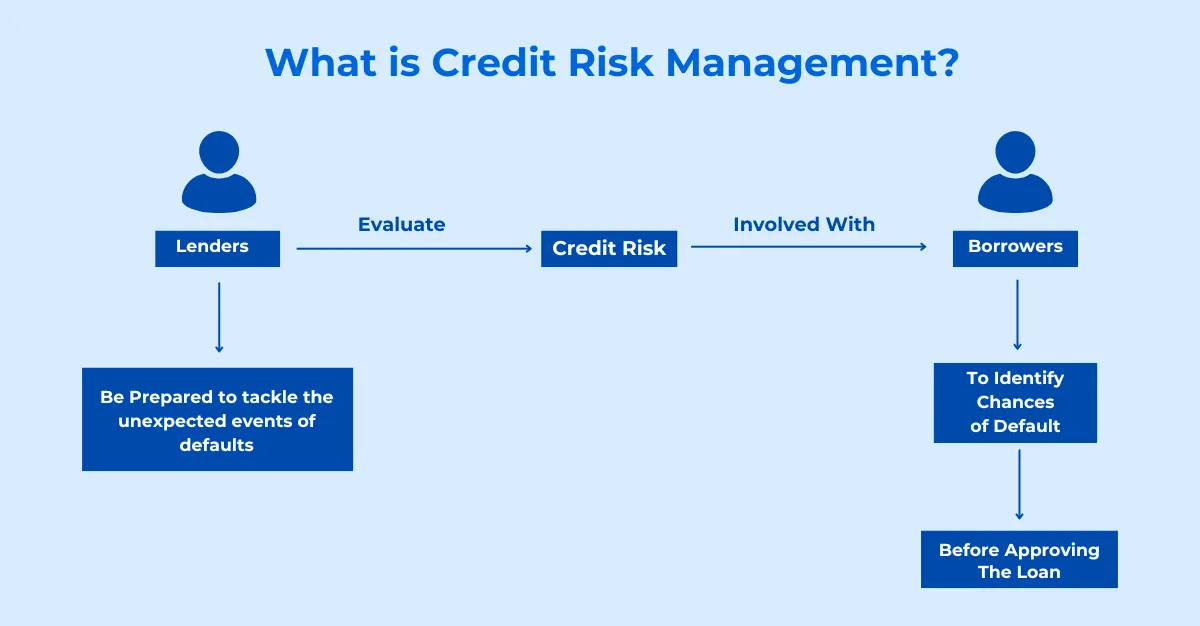
When you apply for a loan, banks evaluate not just your income but also your ability and willingness to repay. This process, known as credit risk assessment, helps lenders minimize defaults and determine the loan amount, interest rate, and approval conditions.
Advertisement
Understanding how banks assess credit risk can help borrowers improve approval chances, secure lower interest rates, and manage their financial profile effectively.
Advertisement
What is Credit Risk?
Credit risk is the likelihood that a borrower will fail to repay a loan according to the agreed terms. Banks measure this risk using quantitative and qualitative factors, including financial history, income stability, and credit behavior.
Advertisement
| Type of Risk | Explanation |
|---|---|
| Default Risk | Probability of borrower not repaying principal or interest |
| Delinquency Risk | Borrower delays payments or misses installments |
| Concentration Risk | High exposure to a single borrower or sector |
| Collateral Risk | Value of collateral may not cover outstanding loan |
Tip: Credit risk assessment is crucial for banks to price loans accurately and protect their capital.
Key Factors Banks Consider for Credit Risk Assessment
1. Credit Score and Credit History
- Credit score: Primary indicator of repayment behavior
- Credit history: Past loans, credit card usage, defaults, late payments
Credit Score Impact Table
| Credit Score | Risk Level | Likelihood of Approval | Notes |
|---|---|---|---|
| 800–850 | Very Low | Very High | Excellent borrower, lowest interest rates |
| 740–799 | Low | High | Favorable terms, some minor flags acceptable |
| 670–739 | Moderate | Moderate | Standard risk, higher rates |
| 580–669 | High | Low | Higher interest, stricter conditions |
| <580 | Very High | Very Low | Limited options, often requires co-signer |
Insight: Even minor late payments or high utilization can affect credit risk assessment.
2. Debt-to-Income Ratio (DTI)
- Measures borrower’s ability to repay
- Formula:
DTI=Monthly IncomeMonthly Debt Payments×100
- Most banks prefer DTI < 40–45%
Example Table: DTI Impact on Approval
| Monthly Income | Existing Debt | DTI | Risk Level | Eligible Loan? |
|---|---|---|---|---|
| $3,000 | $800 | 27% | Low | Yes |
| $4,000 | $2,000 | 50% | High | No |
| $5,000 | $1,500 | 30% | Low | Yes |
Tip: Reducing existing debt increases eligibility and lowers interest rates.
3. Income and Employment Stability
- Banks prefer borrowers with stable, verifiable income
- Salary slips, IT returns, or bank statements are reviewed
- Self-employed borrowers may need additional documentation such as business financials
Employment Stability Table
| Employment Type | Required Documents | Risk Assessment |
|---|---|---|
| Salaried | Salary slips, bank statements | Low to Moderate |
| Self-employed | IT returns, balance sheet, profit & loss | Moderate |
| Contract / Freelancer | Contract copies, bank deposits | Moderate to High |
4. Existing Liabilities and Credit Mix
- Banks review other loans and credit card obligations
- Credit mix: Loans + revolving credit + mortgage
- Diverse credit history can reduce perceived risk
Credit Mix Example:
| Borrower Type | Credit Mix | Risk Level |
|---|---|---|
| Only credit cards | Revolving debt | Moderate |
| Personal + Auto + Mortgage | Mixed loans | Lower risk if timely payments |
| High revolving debt | Credit cards + overdraft | High risk |
5. Collateral and Security (For Secured Loans)
- Secured loans are backed by assets like property or vehicles
- Banks assess market value, liquidity, and ownership
- Higher collateral value reduces risk and may improve loan terms
Collateral Risk Table
| Collateral Type | Market Liquidity | Risk Level | Notes |
|---|---|---|---|
| Real Estate | High | Low | Covers high-value loans |
| Vehicle | Medium | Moderate | Depreciates quickly |
| Gold / Securities | Medium | Low–Moderate | Liquid, but value fluctuates |
6. Loan Purpose
- Certain purposes are considered riskier (e.g., speculative investments, business startups without track record)
- Standard personal or home loans have lower perceived risk
| Loan Purpose | Risk Assessment |
|---|---|
| Home Purchase | Low |
| Debt Consolidation | Low–Moderate |
| Business Startup | High |
| Vacation / Luxury | Moderate |
7. Credit Enquiries and Recent Applications
- Multiple recent loan or card applications may signal financial stress
- Banks factor in hard inquiries when assessing risk
Tip: Limit applications to 1–2 lenders within a short period to avoid negative impact.
Risk Scoring Models Banks Use
Banks use internal and external models to assess credit risk:
| Model | Description |
|---|---|
| FICO Score | Standardized score based on payment history, debt levels, credit age |
| Basel II / III Models | Bank-regulatory frameworks for capital adequacy and risk exposure |
| Internal Rating Models | Bank-specific scoring including income stability, employment, and collateral |
| Probability of Default (PD) Models | Likelihood borrower will default over loan term |
| Loss Given Default (LGD) Models | Estimate potential loss if borrower defaults |
Insight: Banks combine multiple models to calculate interest rates and loan eligibility.
How Risk Assessment Impacts Loan Terms
- Interest Rate – Higher risk → higher interest
- Loan Amount – Lower risk → higher approved amount
- Repayment Tenure – High-risk borrowers may get shorter terms
- Collateral Requirements – High-risk borrowers may need security
- Fees & Insurance – Lenders may charge risk-based fees or require credit insurance
Example Table: Risk vs Loan Terms
| Risk Level | Interest Rate | Loan Amount | Collateral Required | Notes |
|---|---|---|---|---|
| Low | 6–10% | High | Optional | Favorable terms |
| Moderate | 10–15% | Medium | Sometimes | Standard approval |
| High | 15–25% | Low | Often | Higher scrutiny, stricter terms |
Tips to Improve Your Credit Risk Profile
| Tip | Description |
|---|---|
| Pay bills on time | 35% of credit score depends on payment history |
| Reduce outstanding debt | Lower debt-to-income ratio |
| Maintain stable employment | Shows consistent income |
| Avoid multiple applications | Prevents red flags in risk assessment |
| Diversify credit types | Shows ability to handle various loans responsibly |
| Check and correct credit reports | Ensures accuracy and avoids negative marks |
Common Misconceptions About Credit Risk Assessment
| Misconception | Reality |
|---|---|
| Banks only care about credit score | Score is important, but income, employment, and debt also matter |
| Low-risk borrowers get automatic approval | Banks still verify documents and loan purpose |
| Collateral guarantees approval | Only reduces risk, not sole approval factor |
| High income ensures low risk | Debt, repayment history, and credit behavior also affect risk |
Final Thoughts
Banks assess credit risk using a combination of quantitative and qualitative factors:
- Credit history and credit score
- Debt-to-income ratio
- Income and employment stability
- Existing liabilities and credit mix
- Collateral and loan purpose
- Recent credit inquiries
Understanding how banks evaluate your creditworthiness allows borrowers to improve their risk profile, secure better loan terms, and reduce interest costs.
Remember: Even small improvements in payment behavior, debt management, or documentation accuracy can significantly enhance your approval chances.
Frequently Asked Questions (FAQs)
What is credit risk in banking?
Credit risk is the probability that a borrower will fail to repay a loan, causing potential loss to the bank.
How do banks use credit scores in risk assessment?
Credit scores summarize repayment history, debt levels, and credit behavior, helping banks predict default risk.
Can a good income offset a low credit score?
Partially. Banks consider income, but poor credit history still increases risk and interest rates.
Does collateral eliminate credit risk?
No. Collateral reduces the bank’s exposure but does not guarantee repayment.
How can I improve my credit risk profile?
Pay bills on time, reduce debt, maintain stable employment, diversify credit, and regularly review your credit report.