Traveling—whether for leisure, business, education, or medical reasons—comes with excitement as well as uncertainty. Flight delays, medical emergencies, lost baggage, or unexpected trip cancellations can quickly turn a well-planned journey into a financial burden. This is where travel insurance plays a vital role.
Advertisement
Understanding travel insurance coverage options and policy limits helps travelers choose the right plan, avoid unexpected expenses, and enjoy peace of mind while traveling domestically or internationally.
Advertisement
This comprehensive guide explains all major travel insurance coverages, policy limits, exclusions, and how to select the best plan for your travel needs.
Advertisement
What Is Travel Insurance?
Travel insurance is a financial protection policy that covers unexpected events before or during a trip. Depending on the plan, it may reimburse expenses or directly pay service providers for covered losses.
Travel insurance is commonly purchased for:
- International travel
- Domestic trips
- Business travel
- Student travel
- Senior citizen travel
Why Travel Insurance Coverage Matters
Many travelers assume nothing will go wrong—but even minor issues can be costly when abroad.
| Risk | Potential Cost Without Insurance |
|---|---|
| Medical emergency | Very high |
| Trip cancellation | Moderate to high |
| Lost baggage | Moderate |
| Emergency evacuation | Extremely high |
| Travel delays | Moderate |
Proper coverage ensures financial protection against these risks.
Major Travel Insurance Coverage Options
Travel insurance policies include multiple coverage components. Understanding each one helps buyers compare plans and choose wisely.
1. Medical Coverage in Travel Insurance
Medical coverage is the most important component of any travel insurance plan.
What It Covers
- Emergency hospitalization
- Doctor consultations
- Prescription medications
- Diagnostic tests
- Emergency dental treatment
| Feature | Coverage Scope |
|---|---|
| Emergency treatment | Covered |
| Pre-existing conditions | Limited or excluded |
| Routine checkups | Not covered |
| COVID-related treatment | Policy-specific |
Typical Policy Limits
| Plan Type | Medical Coverage Limit |
|---|---|
| Basic plan | Low |
| Standard plan | Medium |
| Premium plan | High |
👉 Buyer intent tip:
Travelers searching best travel medical insurance should prioritize high medical limits.
2. Emergency Medical Evacuation & Repatriation
Emergency evacuation coverage pays for transportation to the nearest suitable medical facility or back to the home country.
Covered Situations
- Severe illness or injury
- Lack of local medical facilities
- Medical repatriation
| Coverage Type | Why It’s Important |
|---|---|
| Evacuation | Access to proper care |
| Repatriation | Return home safely |
Policy Limits
This coverage often has separate, higher limits due to high costs.
3. Trip Cancellation Coverage
Trip cancellation insurance reimburses prepaid, non-refundable expenses if a trip is canceled for covered reasons.
Common Covered Reasons
- Serious illness or injury
- Family emergency
- Natural disasters
- Airline disruptions
| Expense Covered | Examples |
|---|---|
| Flight tickets | Non-refundable fares |
| Hotel bookings | Advance payments |
| Tour packages | Prepaid reservations |
Policy Limits
Usually limited to the total trip cost declared at purchase.
4. Trip Interruption Coverage
Trip interruption insurance covers costs if a trip must be cut short.
| Covered Costs | Examples |
|---|---|
| Unused bookings | Hotels, tours |
| Additional travel | Early return tickets |
This coverage helps travelers avoid major financial loss due to unexpected interruptions.
5. Travel Delay Coverage
Travel delay insurance provides compensation for additional expenses caused by delays.
Covered Expenses
- Meals
- Accommodation
- Local transportation
| Delay Duration | Coverage Trigger |
|---|---|
| Short delay | Usually excluded |
| Extended delay | Covered after minimum hours |
6. Baggage Loss and Delay Coverage
Baggage coverage protects against loss, theft, or delay of checked luggage.
What Is Covered
- Lost baggage
- Stolen items
- Delayed baggage essentials
| Item Type | Coverage Status |
|---|---|
| Clothing | Covered |
| Personal electronics | Limited |
| Cash | Not covered |
| Jewelry | Limited or excluded |
7. Personal Liability Coverage
Personal liability insurance covers legal expenses if you accidentally cause injury or property damage to others during travel.
Why It Matters
- Legal costs abroad can be extremely high
- Covers accidental incidents
| Coverage Includes | Excludes |
|---|---|
| Legal fees | Intentional acts |
| Compensation | Illegal activities |
8. Accidental Death and Disability Coverage
This coverage provides financial compensation in case of accidental death or permanent disability during travel.
| Benefit | Purpose |
|---|---|
| Death benefit | Family financial support |
| Disability benefit | Long-term assistance |
9. Coverage for Adventure and Sports Activities
Standard travel insurance often excludes high-risk activities.
Activities Often Excluded
- Scuba diving
- Skiing
- Paragliding
- Trekking at high altitude
| Option | Coverage |
|---|---|
| Standard plan | Excluded |
| Add-on rider | Covered |
Understanding Travel Insurance Policy Limits
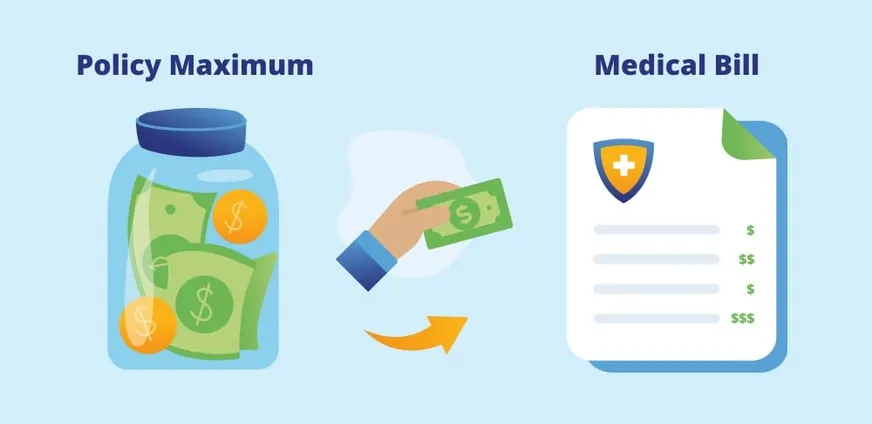
Policy limits define the maximum amount an insurer will pay for each coverage category.
Per-Event vs Aggregate Limits
| Limit Type | Meaning |
|---|---|
| Per-event limit | Max payout per incident |
| Aggregate limit | Max payout per policy |
Understanding both is critical when comparing plans.
Sub-Limits Within Travel Insurance Policies
Some coverages have internal caps.
| Coverage | Sub-Limit Example |
|---|---|
| Room rent | Daily cap |
| Medicines | Percentage limit |
| Baggage | Item-wise cap |
Always review sub-limits to avoid surprises.
Deductibles and Co-Payments
| Term | Meaning |
|---|---|
| Deductible | Amount you pay first |
| Co-payment | Percentage you share |
Higher deductibles usually mean lower premiums.
Exclusions You Must Know
Common travel insurance exclusions include:
- Pre-existing medical conditions
- Self-inflicted injuries
- Alcohol or substance-related incidents
- War or civil unrest
- Policy purchased after travel begins
Travel Insurance Coverage Comparison Table
| Coverage | Basic Plan | Standard Plan | Premium Plan |
|---|---|---|---|
| Medical | Low | Medium | High |
| Evacuation | Limited | Standard | Extensive |
| Trip cancellation | Limited | Covered | Covered |
| Baggage | Basic | Enhanced | Comprehensive |
| Adventure sports | ❌ | Optional | Optional |
How to Choose the Right Travel Insurance Policy
When comparing travel insurance coverage options, consider:
- Destination country
- Trip duration
- Age of traveler
- Health conditions
- Activities planned
| Traveler Type | Recommended Plan |
|---|---|
| Short vacation | Standard |
| International travel | Premium |
| Seniors | Specialized |
| Students | Long-term policy |
Common Mistakes Travelers Make
- Choosing the cheapest policy
- Ignoring medical limits
- Overlooking exclusions
- Not declaring pre-existing conditions
When Should You Buy Travel Insurance?
The best time to buy travel insurance is immediately after booking your trip.
| Timing | Benefit |
|---|---|
| Early purchase | Trip cancellation coverage |
| Late purchase | Limited benefits |
Final Thoughts
Understanding travel insurance coverage options and policy limits is essential for protecting yourself financially while traveling. Medical emergencies, trip disruptions, or lost belongings can happen at any time—but the right travel insurance policy ensures you’re prepared.
By comparing coverage types, limits, exclusions, and deductibles, travelers can confidently choose a plan that offers real protection and peace of mind.
Frequently Asked Questions (FAQs)
Is travel insurance mandatory?
Some countries require it for visa approval, while others recommend it strongly.
What is the most important travel insurance coverage?
Medical and emergency evacuation coverage are the most critical.
Does travel insurance cover pre-existing conditions?
Most policies exclude them unless covered through an add-on.
Are policy limits different for each coverage?
Yes, each coverage has separate limits and sub-limits.
Can I extend travel insurance during my trip?
Some insurers allow extensions, subject to conditions.